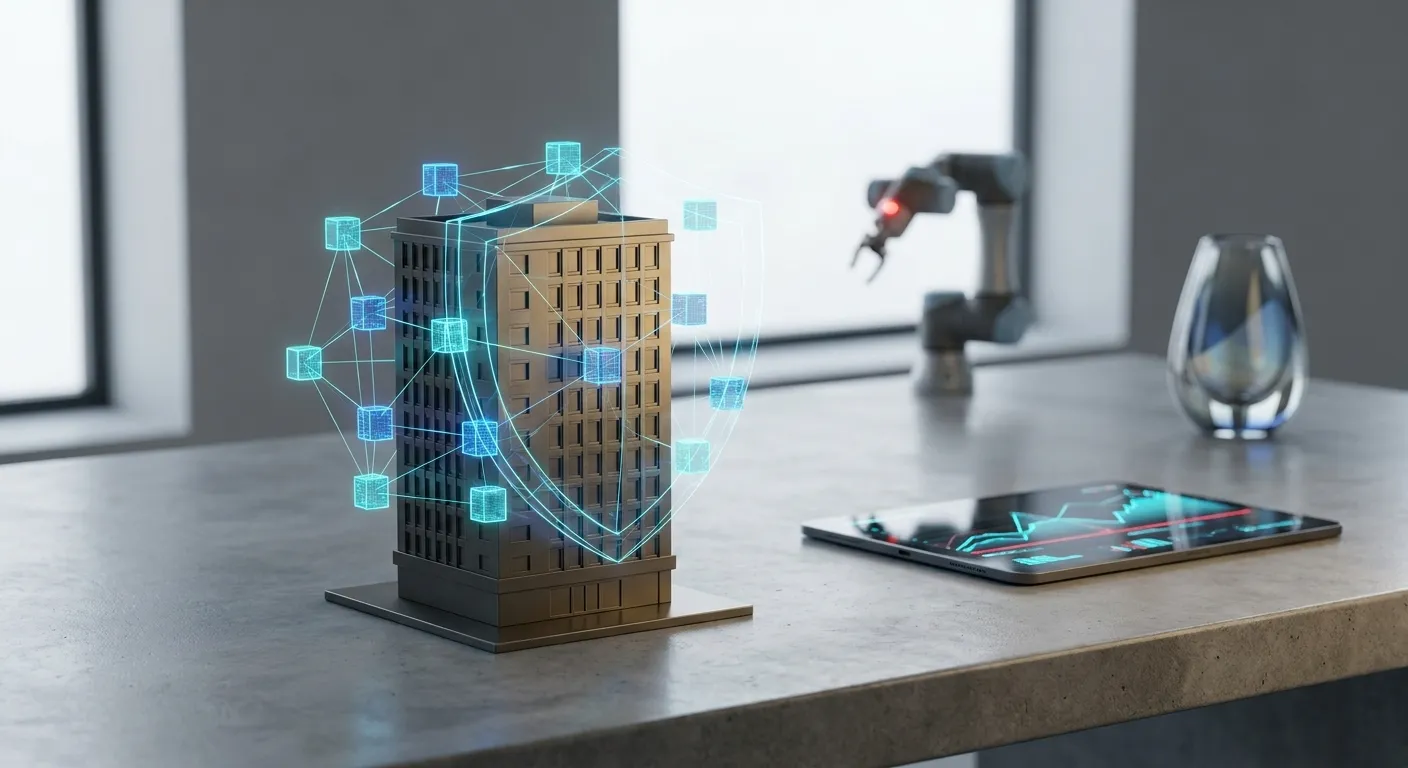
The intersection of traditional finance and blockchain has given rise to one of the most compelling narratives in crypto: the explosive growth of tokenized real-world assets (RWAs). For crypto investors and enthusiasts, this trend represents a significant expansion of investment opportunities, bridging the liquidity of digital markets with tangible value. TrueCryptoNews delves into this phenomenon, exploring its mechanics, market impact, and the pivotal role of AI in driving its evolution.
What Are Tokenized Real-World Assets?
Tokenized RWAs are digital representations of physical or traditional financial assets on a blockchain. This could include anything from real estate, gold, and art to stocks, bonds, and even intellectual property. The process of tokenization fractionalizes ownership, enhances liquidity, and provides immutable proof of ownership, all while operating on a transparent, tamper-proof ledger. The market has responded with enthusiasm: tokenized RWAs reached approximately $23 billion in the first half of 2025 alone, signaling robust interest from traditional finance. Experts like Keyrock anticipate a more than fourfold increase in RWA tokenization (excluding stablecoins) in 2026, with a shift towards a diversified basket of products, including tokenized stocks and exchange-traded funds (ETFs).
AI’s Role in Enhancing RWA Tokenization
Artificial intelligence is not merely a parallel trend; it’s a critical enabler for the efficiency and security of RWA tokenization. AI algorithms can automate due diligence processes, evaluate asset valuations with greater accuracy, and monitor compliance with regulatory frameworks. This integration reduces operational costs, mitigates risks, and accelerates the tokenization process, making illiquid assets more accessible. For example, AI can analyze vast datasets to identify optimal pricing for fractionalized real estate tokens or detect fraudulent activities in the underlying assets being tokenized.
Emerging Projects and Their Impact
The RWA trend is supported by a wave of new projects that are either directly involved in tokenization or are leveraging AI to enhance blockchain utility. While established names like RippleX are evolving with RippleX 2.0, newer entrants are pushing boundaries. Projects like Starlink Chain (STL) are building blockchains for space-based decentralized applications, hinting at future tokenization of unconventional assets. Similarly, the renewed attention on AI-driven projects like DebtReliefBot (DRB) in 2026 showcases how intelligence can be embedded into financial solutions on the blockchain.
Other expected new crypto coins for 2026, such as Tapzi (TAPZI), Sui (SUI), MassNet (MASS), and Solana Ultra (SOLU), are also contributing to a vibrant ecosystem where innovative applications can thrive. These platforms provide the infrastructure and smart contract capabilities necessary for the next generation of digital assets. Consequently, the adoption of digital representations of assets continues to expand across various sectors.
The Mechanics of Asset Tokenization
Understanding how assets become tokenized is crucial for investors. First, a real-world asset is identified, and its legal ownership is verified. Next, the asset’s information is recorded on a blockchain, creating a digital token. This token represents a fraction or the entirety of the asset’s value. Furthermore, smart contracts govern the rules of ownership, transfer, and any associated revenue distribution. This entire process ensures transparency and immutability. For instance, a property can be fractionalized into thousands of tokens, allowing multiple investors to own a small piece. This significantly lowers the barrier to entry for high-value assets.
Advantages for Investors and Markets
The advantages of tokenizing real-world assets are numerous. Firstly, fractional ownership makes previously inaccessible assets available to a broader range of investors. This democratizes investment opportunities. Secondly, enhanced liquidity means that these digital representations of assets can be traded 24/7 on global exchanges, unlike traditional markets. Thirdly, the transparency and security provided by blockchain technology reduce intermediaries and associated costs. Moreover, cross-border transactions become more efficient and less expensive. As a result, this fosters greater financial inclusion and market efficiency. For example, a global investor can easily buy a fraction of a commercial building in another country without complex legal hurdles.
Regulatory Landscape and Future Outlook for Tokenized Real-World Assets
The regulatory environment for tokenized assets is evolving rapidly. Jurisdictions worldwide are working to establish clear guidelines to protect investors and maintain market integrity. Consequently, compliance with these regulations is paramount for the widespread adoption of these digital representations of assets. Industry leaders anticipate that regulatory clarity will further accelerate growth. Therefore, staying informed about these developments is essential for anyone involved in this space. The future outlook for tokenized real-world assets appears promising, with projections indicating significant expansion. Many believe these digital representations will become a cornerstone of future financial systems. You can find more insights on market trends in our Blog.
AI’s Impact on Due Diligence and Valuation
AI’s role extends beyond mere automation; it profoundly impacts due diligence and asset valuation. AI algorithms can process vast amounts of data, including historical performance, market trends, and risk factors, to provide more accurate valuations for tokenized assets. This is particularly valuable for complex assets like real estate or intellectual property, where traditional valuation methods can be subjective and time-consuming. In addition, AI can continuously monitor the underlying assets for any changes that might affect their value or legal status. This proactive monitoring enhances investor confidence and reduces potential risks. For example, AI can identify potential environmental risks for a tokenized property before they become significant issues. This level of analysis was previously unattainable.
Security and Transparency Enhancements
Blockchain technology inherently offers high levels of security and transparency for tokenized real-world assets. Every transaction is recorded on an immutable ledger, preventing fraud and unauthorized alterations. Furthermore, AI can enhance these security features by identifying unusual patterns or suspicious activities that might indicate a cyber threat. This dual layer of security—blockchain’s inherent immutability combined with AI-driven threat detection—creates a robust framework for managing these valuable digital representations of assets. Consequently, investors can have greater peace of mind regarding the safety of their investments. For instance, AI can flag unusual trading volumes for a tokenized stock, prompting a review for market manipulation.
Challenges and Considerations
Despite the immense potential, the adoption of tokenized real-world assets faces several challenges. Regulatory uncertainty remains a significant hurdle in some regions, as governments grapple with how to classify and oversee these new forms of digital assets. Additionally, ensuring the legal enforceability of tokenized ownership in traditional legal systems requires further development. Furthermore, the technical complexity of integrating traditional assets with blockchain technology can be a barrier for some institutions. Addressing these challenges will be crucial for the mainstream acceptance of these digital representations of assets. For instance, establishing clear legal precedents for fractionalized ownership in real estate is vital. Investors should also be aware of the need for secure storage solutions, perhaps using a reliable Crypto Wallet.
Case Studies: Real-World Implementations
Several notable projects are already demonstrating the viability of tokenized real-world assets. For example, platforms have successfully tokenized luxury real estate, allowing fractional ownership and increasing liquidity for high-value properties. Similarly, gold and other precious metals are being tokenized, offering investors a more accessible and liquid way to hold these traditional safe-haven assets. Art pieces, which were once exclusive to a few wealthy collectors, are now being fractionalized and made available to a broader audience through tokenization. These examples highlight the diverse applications and transformative potential of these digital representations of assets. Moreover, the success of these early projects provides a blueprint for future endeavors. For detailed market capitalization data, refer to our Market Cap List.
The Convergence of DeFi and RWAs
The decentralized finance (DeFi) ecosystem is a natural home for tokenized real-world assets. DeFi protocols can utilize these digital representations of assets as collateral for loans, enabling new forms of lending and borrowing. This integration expands the utility of both DeFi and RWAs, creating a more interconnected and efficient financial landscape. Furthermore, yield-generating strategies can be applied to tokenized assets, offering investors new avenues for passive income. This convergence is expected to drive further innovation and growth in both sectors. Consequently, we anticipate a significant increase in DeFi platforms incorporating RWAs. This synergy creates robust opportunities for investors looking to Buy & Sell Bitcoin and other cryptocurrencies alongside these new asset classes.
The Future of Investment: A Blended Approach
As the market for tokenized real-world assets matures, we anticipate a future where traditional and digital investments are seamlessly integrated. Investors will likely adopt a blended approach, diversifying their portfolios with both conventional holdings and these innovative digital representations of assets. AI will continue to play a pivotal role in this evolution, providing the tools for efficient management, risk assessment, and personalized investment strategies. Therefore, staying informed about these advancements is crucial for navigating the evolving financial landscape. This blended approach offers flexibility and new avenues for wealth creation. For further reading, consider exploring Crypto Books that delve into these topics.
Conclusion: A New Era for Assets
The rise of tokenized real-world assets, powered by AI-driven innovation, signifies a profound shift in the financial world. These digital representations of assets offer unprecedented opportunities for fractional ownership, enhanced liquidity, and global accessibility. While challenges remain, the clear benefits for investors and markets suggest that this trend is not merely a passing fad but a foundational element of future finance. TrueCryptoNews will continue to monitor these developments, providing timely insights as this exciting new era for assets unfolds. The convergence of blockchain and AI is reshaping how we perceive and interact with value, paving the way for a more inclusive and efficient global economy. The journey of these digital representations of assets has just begun.
FAQ
What exactly are digital representations of assets?
These are digital tokens on a blockchain that represent ownership or a fractional share of a physical or traditional financial asset. Examples include real estate, gold, stocks, or even art, all recorded on a secure, transparent ledger.
How does AI contribute to the process of asset digitization?
AI enhances the digitization process by automating due diligence, accurately valuing assets, and ensuring regulatory compliance. It also helps in monitoring the underlying assets and detecting potential fraud, making the process more efficient and secure.
What are the primary benefits of investing in these digital assets?
Key benefits include fractional ownership, which democratizes access to high-value assets, increased liquidity due to 24/7 global trading, and greater transparency and security offered by blockchain technology. This also reduces transaction costs and intermediaries.
Are there any significant risks or challenges associated with this asset class?
Yes, challenges include evolving regulatory landscapes, legal enforceability in traditional systems, and the technical complexities of integrating physical assets with blockchain. Investors should be aware of these factors and the importance of secure digital storage.
Which types of assets are currently being digitized, and what’s next?
Currently, assets like real estate, precious metals, and fine art are being digitized. The future could see a broader range including intellectual property, commodities, and even unconventional assets, driven by ongoing innovation and technological advancements.