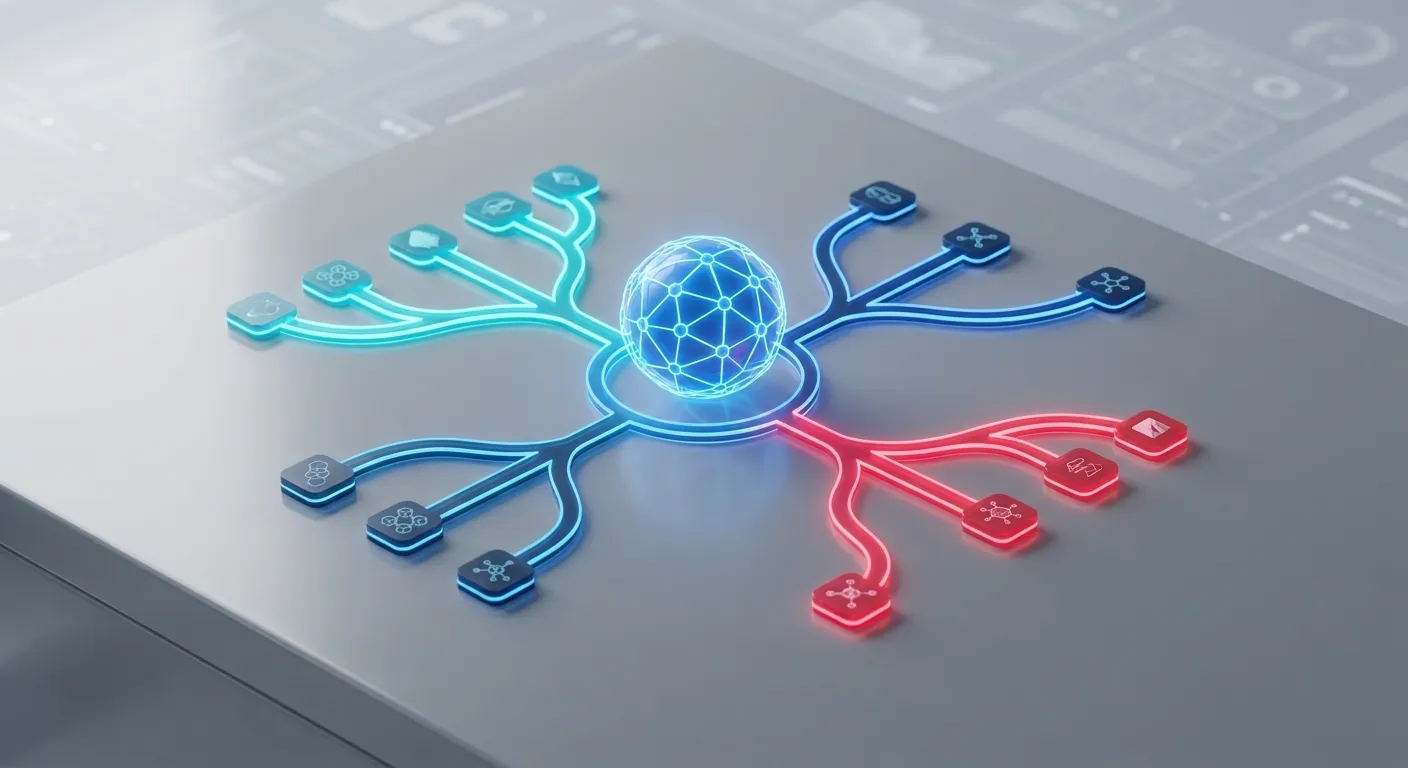
While Ethereum has been the epicenter of Layer 2 development, the demand for scalability and efficiency extends across the entire blockchain ecosystem. Many emerging networks are also leveraging or developing their own Layer 2 Solutions Comparison to enhance transaction throughput, reduce fees, and improve user experience. These solutions are critical for widespread adoption, allowing blockchains to handle a significantly higher volume of operations without compromising decentralization or security. Beyond Ethereum’s rollups and sidechains, a diverse array of Layer 2 innovations are taking shape on other prominent chains. Consequently, understanding these advancements is crucial for investors and developers alike.
Understanding the Need for Scalability
The core promise of blockchain technology – decentralization and immutability – often comes with a trade-off: scalability. Early blockchains, particularly Bitcoin and Ethereum, were designed with security and decentralization as paramount concerns. However, this design inherently limited their transaction processing capacity. For instance, Ethereum’s mainnet can handle approximately 15-30 transactions per second, which is insufficient for global adoption and complex decentralized applications (dApps). Therefore, the need for scaling solutions became apparent very early in the blockchain’s evolution. Scaling is essential to support the increasing demand for blockchain services, from DeFi to NFTs and beyond. Ultimately, without effective scaling, widespread utility remains a distant goal.
High transaction fees, often referred to as ‘gas fees,’ are another significant impediment to mainstream adoption. During periods of high network congestion, Ethereum gas fees can skyrocket, making small transactions uneconomical and pricing out many users. This issue directly impacts the user experience and hinders the development of applications that require frequent, low-cost interactions. Moreover, slow transaction finality can frustrate users and delay critical operations within dApps. As a result, improving these metrics through various scaling methodologies is a top priority for nearly all blockchain ecosystems. The innovation in this space is rapid, with new approaches constantly emerging to tackle these fundamental challenges.
A Broader Perspective on Scaling Architectures
When considering blockchain scaling, it is important to distinguish between Layer 1 and Layer 2 solutions. Layer 1 scaling involves modifications to the blockchain’s base protocol, such as sharding or changes to the consensus mechanism. Solana, for example, integrates a unique Proof-of-History (PoH) mechanism to achieve high throughput at the base layer. Conversely, Layer 2 solutions are built on top of an existing Layer 1 blockchain. They process transactions off-chain, then periodically settle them back to the main chain, thereby inheriting its security. This approach allows the Layer 1 to remain secure and decentralized while the Layer 2 handles the heavy lifting of transaction processing. Consequently, this modular design has become a favored strategy for many networks.
The diversity of Layer 2 approaches is vast. Popular examples on Ethereum include Optimistic Rollups and ZK-Rollups. Optimistic Rollups assume transactions are valid by default and only challenge them if fraud is detected, leading to a dispute period. ZK-Rollups, on the other hand, use cryptographic proofs (zero-knowledge proofs) to verify the validity of off-chain transactions, offering instant finality and stronger security guarantees. However, the complexity of implementing ZK-Rollups is significantly higher. Beyond these, state channels and sidechains also play a role in the scaling landscape. Each method presents different trade-offs in terms of security, decentralization, and performance. Therefore, a nuanced understanding is essential for developers and users navigating the ecosystem.
Layer 2 Solutions Comparison Across Ecosystems
When undertaking a Layer 2 Solutions Comparison, it’s vital to look beyond Ethereum. For instance, Polygon, often considered a sidechain to Ethereum, functions similarly to a Layer 2, offering rapid and low-cost transactions for a multitude of dApps. Its compatibility with the Ethereum Virtual Machine (EVM) makes it an attractive destination for developers. Avalanche’s subnets provide a flexible framework for custom blockchains that can benefit from the main chain’s security while offering application-specific scalability. These subnets allow projects to launch their own application-specific chains with tailored economics and governance, thereby enhancing flexibility. Solana, with its unique architecture, integrates features that address scalability at the base layer, but also explores Layer 2-like solutions for specific use cases. Its high throughput is a major draw for certain types of applications. Binance Smart Chain (BSC), while a distinct blockchain, offers a high-throughput environment that some consider a Layer 2 alternative due to its EVM compatibility and lower fees compared to Ethereum mainnet. Each of these approaches presents different trade-offs in terms of decentralization, security, and developer experience. Furthermore, understanding these distinctions is key to making informed decisions.
Polygon (MATIC): A Robust Sidechain Ecosystem
Polygon, formerly known as Matic Network, has carved out a significant niche in the blockchain space. It operates as a sidechain to Ethereum, offering a scalable and user-friendly platform for dApp development. Essentially, Polygon processes transactions on its own chain, then periodically batches and settles them on the Ethereum mainnet. This architecture allows Polygon to achieve significantly higher transaction speeds and lower fees than Ethereum. Notably, it supports a wide range of scaling solutions, including Polygon PoS (Proof-of-Stake) chain, Polygon zkEVM, and Polygon Miden. The Polygon PoS chain is particularly popular due to its EVM compatibility, making it easy for Ethereum developers to migrate their applications. Consequently, many prominent DeFi protocols and NFT projects have adopted Polygon. For investors interested in the broader landscape of digital assets, understanding Polygon’s role is crucial, akin to navigating AI Crypto Investment Opportunities.
The security model of Polygon relies on a network of validators who stake MATIC tokens. While it benefits from Ethereum’s security to some extent, it maintains its own consensus mechanism. This provides a balance between decentralization and performance. Moreover, Polygon’s commitment to developing ZK-Rollups through Polygon zkEVM represents a significant step towards offering even stronger security guarantees and faster finality. The ecosystem continues to expand, supporting a diverse array of applications from gaming to enterprise solutions. Developers find its tooling familiar and robust, facilitating rapid innovation. Therefore, Polygon remains a key player in the ongoing pursuit of blockchain scalability.
Avalanche (AVAX): Empowering Custom Subnets
Avalanche distinguishes itself with its innovative subnet architecture. Instead of a single monolithic blockchain, Avalanche allows for the creation of multiple custom blockchains, known as subnets. Each subnet can define its own rules, validators, and tokenomics, while still benefiting from the security of the Avalanche primary network. This modular approach offers unparalleled flexibility for enterprises and developers. For example, a gaming dApp could launch its own subnet with specific performance requirements and low transaction fees, without impacting the performance of other dApps on the main chain. This level of customization is a significant advantage. The primary network consists of three built-in blockchains: the X-Chain, C-Chain, and P-Chain. The C-Chain is EVM-compatible, making it a popular choice for dApp deployment. Furthermore, the P-Chain facilitates subnet creation and coordination.
The security of subnets is derived from the validators of the primary network. To validate a subnet, a node must also validate the primary network. This mechanism ensures a strong baseline of security across the entire Avalanche ecosystem. The ability to launch application-specific chains with custom virtual machines and execution environments makes Avalanche particularly attractive for complex projects. Consequently, it supports a wide range of use cases, from DeFi to enterprise blockchain solutions. The performance of Avalanche’s consensus mechanism, which allows for near-instant transaction finality, further enhances its appeal. This makes Avalanche a compelling option for those seeking highly customizable and scalable blockchain infrastructure.
Solana (SOL): High Throughput at Layer 1 and Beyond
Solana takes a different approach to scalability, primarily focusing on optimizing its Layer 1 architecture. It achieves high transaction throughput (tens of thousands of transactions per second) and low fees through a combination of innovative technologies, including Proof-of-History (PoH), Tower BFT, and Sealevel. PoH creates a historical record of events, allowing validators to process transactions in parallel without a global timestamp. This significantly reduces latency and increases throughput. Consequently, Solana has attracted numerous high-frequency trading applications and large-scale dApps. Its speed and efficiency are often compared to traditional financial systems.
Despite its robust Layer 1 capabilities, Solana also explores Layer 2-like solutions for specific scenarios. For example, specialized programs or off-chain computation might be used for complex operations that don’t require immediate on-chain finality. While not traditional Layer 2s in the Ethereum sense, these approaches aim to further enhance the network’s capacity and flexibility. The developer experience on Solana is often lauded for its efficiency, though it uses Rust instead of Solidity, which can be a learning curve for Ethereum developers. Nevertheless, its ecosystem continues to grow, supporting a vibrant community of projects. Understanding Solana’s unique scaling paradigm is essential when performing a broad Layer 2 Solutions Comparison.
Binance Smart Chain (BSC): An EVM-Compatible Alternative
Binance Smart Chain (BSC), now rebranded as BNB Smart Chain, emerged as a popular alternative to Ethereum, particularly during periods of high gas fees on the Ethereum network. While it is a standalone blockchain, its EVM compatibility and lower transaction costs led many to view it as a de facto Layer 2 solution for Ethereum dApps. BSC operates on a Proof-of-Staked Authority (PoSA) consensus mechanism, which allows for fast block times and high transaction throughput. However, this comes with a trade-off in terms of decentralization, as the number of validators is smaller compared to Ethereum. This specific design choice prioritizes speed and cost efficiency. For those concerned with AI Crypto Security Risks, the consensus mechanism’s decentralization level is a critical factor.
Many popular DeFi protocols and NFT marketplaces quickly adopted BSC due to its ease of use and economic advantages. Developers could port their Ethereum dApps with minimal changes, tapping into a new user base. While BSC offers a high-performance environment, it is important to acknowledge its distinct security and governance model. It does not inherit security directly from Ethereum in the same way a rollup does. Nevertheless, for applications prioritizing speed and affordability, BSC remains a viable option. Its continued development and integration within the broader BNB Chain ecosystem underscore its relevance in the crypto landscape.
Key Factors in Layer 2 Solutions Comparison
Evaluating Layer 2 Solutions Comparison requires considering several key factors: transaction speed, cost, security model, decentralization level, and developer tooling. Rollups (optimistic and zero-knowledge) generally inherit security from the Layer 1, offering high assurances but varying withdrawal times. Sidechains often have their own consensus mechanisms, potentially offering faster finality but requiring trust in their validators. App-specific chains or subnets provide immense customization and performance but might involve more operational overhead. As the blockchain space matures, the best Layer 2 solution often depends on the specific application’s requirements, emphasizing the need for a comprehensive comparative understanding of available technologies. Moreover, the choice often involves balancing these factors according to a project’s priorities.
Transaction Speed and Cost
The primary motivation for Layer 2 solutions is to enhance transaction speed and reduce costs. Different approaches achieve this with varying degrees of success. Rollups significantly increase transactions per second (TPS) and reduce gas fees by batching many off-chain transactions into a single on-chain transaction. Optimistic Rollups typically have a challenge period (7 days) during which transactions can be disputed, affecting finality. ZK-Rollups, however, offer near-instant finality due to cryptographic proofs. Sidechains like Polygon also boast high TPS and low fees, often achieving finality in seconds. Similarly, Avalanche’s subnets and Solana’s Layer 1 design prioritize speed. For applications requiring rapid, low-cost interactions, evaluating these metrics is paramount. Therefore, developers must carefully assess their specific needs against the capabilities of each solution. CoinDesk provides further insights into Layer 2 basics.
Security Model and Decentralization
The security model and level of decentralization are critical considerations. True Layer 2 solutions, such as rollups, derive their security directly from the underlying Layer 1 blockchain. This means they benefit from the robust security guarantees of a network like Ethereum. Sidechains and independent blockchains, however, maintain their own security models, which can vary in strength. While some may have a large and distributed validator set, others might be more centralized, posing potential risks. Decentralization is equally important, as it ensures censorship resistance and reduces single points of failure. Projects must weigh the trade-offs between maximizing decentralization and achieving high performance. Ultimately, a strong security posture is non-negotiable for critical applications. The balance between these aspects is often a project’s defining characteristic.
Developer Experience and Ecosystem Maturity
Developer experience and the maturity of the ecosystem are also vital. An active developer community, comprehensive documentation, robust developer tools, and a thriving dApp ecosystem contribute to the attractiveness of a Layer 2 solution. EVM compatibility is a significant factor, as it allows developers to easily port existing smart contracts from Ethereum. Polygon and BSC excel in this regard, offering familiar environments. Avalanche also provides EVM compatibility through its C-chain. Solana, while not EVM-compatible, offers powerful tools for Rust developers. The availability of liquidity, user base, and integrations with other protocols also play a role in a solution’s overall utility. Furthermore, a mature ecosystem often indicates long-term viability and innovation. This aspect is particularly relevant for those Building AI dApps Web3.
Interoperability and Composability
Interoperability, the ability of different blockchains to communicate and interact, is another crucial factor. As the blockchain landscape becomes increasingly fragmented with numerous Layer 1s and Layer 2s, seamless asset and data transfer between them is essential. Bridges are common mechanisms for achieving this, allowing users to move tokens across chains. Composability, the ability for dApps to easily integrate and build upon each other, is also highly valued. Ethereum’s robust DeFi ecosystem is a prime example of high composability. Layer 2 solutions that enhance interoperability and maintain composability with their base layer offer significant advantages. Ultimately, a more connected blockchain world benefits all participants. For example, exploring Blockchain.com’s resources can offer broader context.
The Future of Multi-Chain Scalability
The evolution of Layer 2 solutions beyond Ethereum signifies a broader trend towards a multi-chain future. Instead of a single blockchain dominating, we are likely to see an ecosystem of interconnected chains, each optimized for specific use cases. This paradigm shift will necessitate robust bridging solutions and standardized protocols for cross-chain communication. The competition and innovation among different Layer 1s and their respective scaling strategies will continue to drive the industry forward. Consequently, users and developers will have more choices, leading to more efficient and specialized blockchain applications. The ongoing Layer 2 Solutions Comparison will remain a dynamic and critical area of focus for the industry. Furthermore, advancements in zero-knowledge technology are particularly promising for future developments.
Ultimately, the continuous innovation in Layer 2 solutions across various blockchains is propelling the industry towards greater mainstream utility and accessibility. These advancements are not merely technical improvements; they are fundamental to realizing the full potential of decentralized finance, web3, and beyond. As transaction costs decrease and speeds increase, blockchain technology can support a wider array of applications, from micro-payments to complex enterprise solutions. The future of blockchain is undeniably scalable, and Layer 2 solutions are at the forefront of this transformation. Staying informed about these developments is essential for anyone involved in the digital asset space.
FAQ
What are the main types of blockchain scaling solutions?
The main types include Layer 1 scaling (modifications to the base blockchain like sharding) and Layer 2 scaling (solutions built on top of Layer 1, such as rollups, sidechains, and state channels). Each approach aims to increase transaction throughput and reduce costs.
How do Layer 2 solutions differ across various blockchains?
Different blockchains implement distinct scaling strategies. Ethereum primarily uses rollups (Optimistic and ZK). Polygon offers sidechain solutions. Avalanche utilizes subnets for custom blockchains. Solana focuses on Layer 1 optimization, while BNB Smart Chain provides an EVM-compatible, high-throughput alternative. Each has unique security models and performance characteristics.
Why is comparing scaling solutions important for developers?
For developers, a thorough comparison of scaling solutions is crucial to select the most suitable platform for their decentralized application (dApp). Factors like transaction speed, cost, security, decentralization, and developer tooling directly impact the dApp’s performance, user experience, and long-term viability. An informed choice can significantly reduce development hurdles and operational costs.
What role does interoperability play in scaling?
Interoperability is vital for a multi-chain ecosystem, allowing different blockchains and scaling solutions to communicate and transfer assets seamlessly. This enhances liquidity, expands user reach, and enables more complex cross-chain applications. Bridges and standardized protocols facilitate this crucial aspect of the evolving blockchain landscape.
Are Layer 2 solutions secure?
The security of Layer 2 solutions varies. Rollups, especially ZK-Rollups, inherit strong security guarantees from their underlying Layer 1 blockchain. Sidechains and other independent chains, however, rely on their own consensus mechanisms and validator sets, meaning their security can differ. Always research the specific security model of any scaling solution before using it.