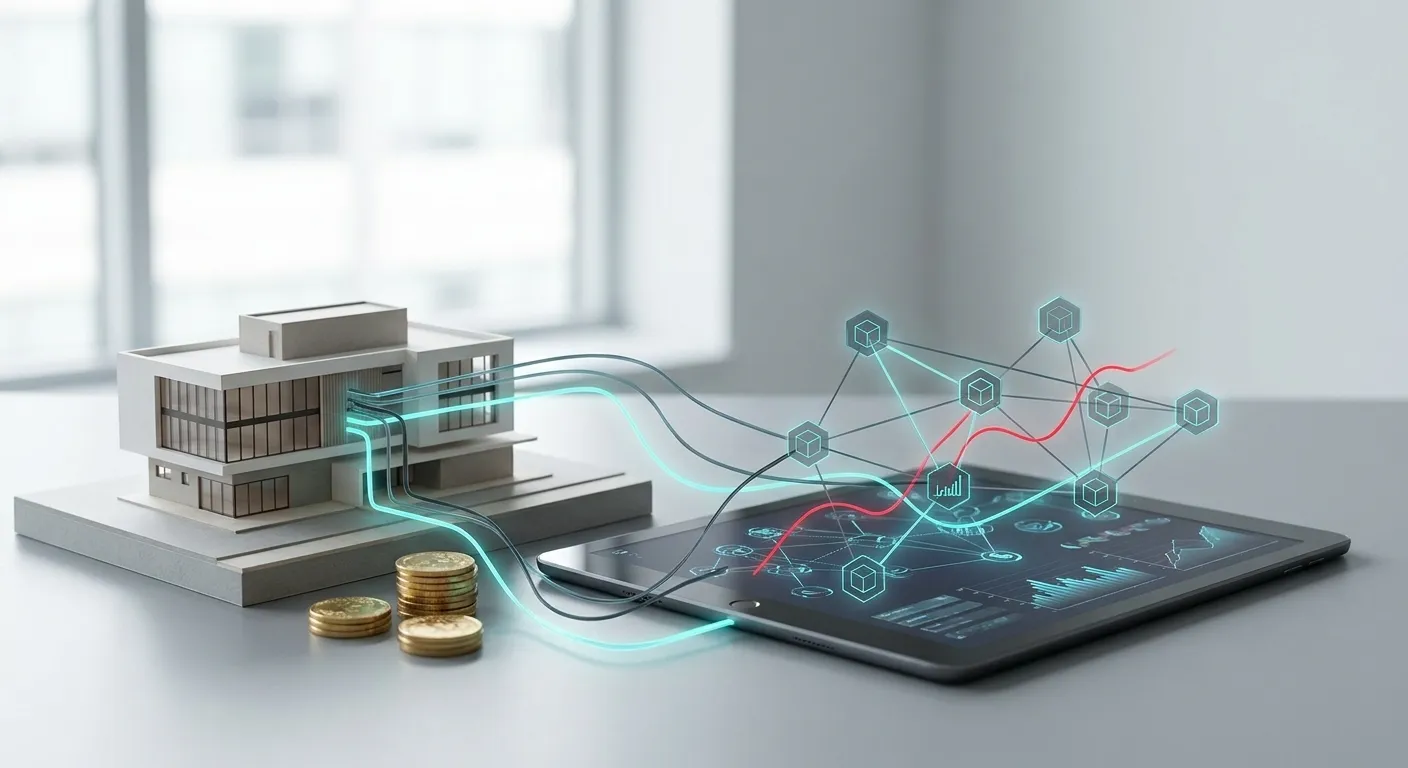
The integration of Real-World Assets DeFi is a transformative trend reshaping the decentralized finance landscape. This movement involves bringing tangible and intangible real-world assets onto blockchain networks, enabling fractional ownership, increased liquidity, and broader accessibility. From real estate to fine art, and even commodities, tokenization is bridging traditional finance with the innovative capabilities of blockchain technology. This not only opens up new investment avenues for crypto enthusiasts but also introduces a new paradigm for asset management and trading. Consequently, the financial ecosystem is evolving rapidly.
Historically, traditional assets have been illiquid and difficult to transfer. However, blockchain technology offers a solution to these longstanding issues. Tokenization allows a physical asset to be represented digitally as a token on a blockchain. This digital representation carries all the rights and obligations associated with the underlying asset, making it easier to buy, sell, and manage. Furthermore, the transparency and immutability of blockchain records enhance trust and reduce the potential for fraud, which is a significant advantage for investors and asset managers alike.
The Mechanics of Real-World Asset Tokenization
Tokenizing real-world assets involves several crucial steps. First, a legal framework must be established to ensure the digital token legally represents the underlying physical asset. This often requires robust legal agreements and compliance with existing regulations. Second, the asset is typically appraised and verified by independent third parties to establish its value. Third, the asset is fractionalized into digital tokens, which are then issued on a blockchain. Finally, these tokens can be traded on decentralized exchanges or peer-to-peer platforms, providing liquidity and broader market access.
For example, a luxury property can be tokenized, allowing multiple investors to own a fraction of it. This lowers the barrier to entry for high-value assets, making them accessible to a wider range of investors. Similarly, intellectual property, such as patents or copyrights, can be tokenized, providing creators with new ways to monetize their work and investors with unique opportunities. The underlying technology typically involves smart contracts, which automate the terms of the agreement and ensure transparent execution. Thus, the entire process becomes more efficient and secure.
Data Driving Real-World Assets DeFi Adoption
The growth in Real-World Assets DeFi is not just theoretical; it’s backed by significant data and increasing institutional interest. Recent reports indicate a substantial increase in the total value locked (TVL) within RWA protocols, signaling robust investor confidence and a clear market demand. Projects are emerging that focus on tokenizing everything from government bonds to private credit, demonstrating the versatility and potential scale of this sector. This data suggests that RWAs are moving beyond niche applications to become a foundational component of a more mature DeFi ecosystem, offering stable, yield-generating opportunities often less correlated with volatile crypto markets.
Specifically, the market for tokenized real estate alone is projected to reach trillions of dollars in the coming decade. Additionally, the tokenization of commodities like gold and silver provides investors with a digital representation of physical assets, combining the stability of traditional investments with the ease of digital trading. According to a report by Boston Consulting Group and ADDX, the tokenization of illiquid assets could reach $16 trillion by 2030. This highlights the immense potential and growing acceptance of this new asset class.
Institutional Embrace of Tokenized Assets
Major financial institutions are increasingly exploring and adopting tokenized real-world assets. Banks like JPMorgan and Siemens have already experimented with issuing tokenized bonds, showcasing the operational efficiencies and cost savings that blockchain technology can offer. These pilot programs demonstrate a clear shift in how traditional finance views and interacts with decentralized technologies. Moreover, the involvement of established players lends credibility and further accelerates the mainstream adoption of tokenized assets.
The integration of AI also plays a role in this evolving landscape. For instance, AI’s impact on DeFi and Web3 is shaping the future of financial protocols by enhancing security, optimizing trading strategies, and improving risk assessment for tokenized assets. Furthermore, sophisticated algorithms can analyze vast amounts of data to provide more accurate valuations for underlying real-world assets, which is crucial for investor confidence. Consequently, the synergy between AI and tokenization is creating a more robust and intelligent financial system.
Regulatory Landscape and Legal Frameworks for Tokenized Real-World Assets
While the potential of tokenized real-world assets is vast, the regulatory landscape remains a significant challenge. Jurisdictions worldwide are grappling with how to classify and regulate these novel financial instruments. Clear and consistent legal frameworks are essential for widespread adoption, as investors and institutions require certainty regarding ownership rights, tax implications, and dispute resolution mechanisms. Without this clarity, the full potential of tokenization may be hindered.
However, progress is being made. Countries like Switzerland, Liechtenstein, and Singapore have introduced specific legislation to accommodate blockchain-based assets, providing a blueprint for other nations. International collaboration is also increasing, as regulators seek to harmonize standards and prevent regulatory arbitrage. The goal is to create an environment that fosters innovation while protecting investors and maintaining financial stability. This delicate balance is crucial for the long-term success of tokenized assets.
On the other hand, the absence of unified global regulations can create complexities for cross-border transactions involving tokenized assets. This fragmentation necessitates careful navigation for projects and investors operating internationally. In this context, understanding the evolving legal environment is as important as understanding the technology itself. For example, discussions around AI crypto regulation provide insights into how new technologies are being addressed by legal frameworks.
Overcoming Legal and Valuation Hurdles
Ensuring compliance across different jurisdictions and establishing robust legal enforceability for tokenized ownership are critical hurdles. Innovative legal technology (LegalTech) solutions are emerging to address these challenges, leveraging blockchain for automated compliance and legal agreement management. Accurate valuation of underlying assets is another key concern, particularly for unique or illiquid assets. Independent appraisal services and data analytics tools are becoming increasingly important in this regard.
The transparency offered by blockchain can actually aid in valuation processes. All transactions and ownership records are immutable and publicly verifiable, which can reduce information asymmetry. Furthermore, the ability to fractionalize assets allows for more granular pricing and market discovery. As these mechanisms mature, the accuracy and reliability of real-world asset valuations are expected to improve significantly. This will, in turn, boost investor confidence and market participation.
The Role of Decentralized Autonomous Organizations (DAOs) in RWAs
Decentralized Autonomous Organizations (DAOs) are playing an increasingly important role in the governance and management of tokenized real-world assets. DAOs can provide a transparent and community-driven framework for decision-making regarding asset management, distribution of profits, and protocol upgrades. This decentralized approach aligns well with the ethos of blockchain technology, offering a more equitable and efficient model compared to traditional corporate structures.
For instance, a DAO could govern a fund that invests in tokenized real estate, with token holders voting on investment strategies and property acquisitions. This model democratizes access to investment opportunities and ensures that decisions are made in the best interest of the community. Moreover, the use of smart contracts within DAOs automates many operational processes, reducing administrative overhead and increasing efficiency. This symbiotic relationship between DAOs and tokenized assets is a powerful driver of innovation.
Security Considerations for Tokenized Real-World Assets
Security is paramount in the realm of tokenized real-world assets. Protecting the underlying digital tokens from theft, hacks, and other vulnerabilities is crucial for maintaining investor trust. This involves robust smart contract auditing, secure custody solutions, and advanced cryptographic techniques. The integrity of the blockchain network itself is also vital, as any compromise could jeopardize the entire system.
Furthermore, the link between the physical asset and its digital representation must be secure. This often involves real-world verification processes and legal safeguards to prevent fraud or unauthorized claims. As the value of tokenized assets grows, so does the incentive for malicious actors, making continuous security enhancements a necessity. Insights into AI crypto security risks can also be applied here, as AI can help detect anomalies and predict potential vulnerabilities in tokenized asset systems.
Future Outlook for Real-World Assets DeFi
As these challenges are addressed, the future of Real-World Assets DeFi promises a more inclusive, efficient, and interconnected global financial system, offering unprecedented access to diverse asset classes for a worldwide investor base. The convergence of traditional finance and blockchain is creating a hybrid model that combines the best of both worlds: the stability and regulatory compliance of traditional assets with the efficiency and transparency of decentralized technology. This evolution is poised to redefine investment opportunities for both institutional and retail investors.
The ongoing innovations in legal technology and increasing collaboration between traditional financial institutions and blockchain developers are paving the way for solutions. We can expect to see more sophisticated platforms emerge, offering seamless integration of real-world asset tokenization with existing financial infrastructure. Furthermore, the development of interoperable blockchain networks will allow for easier transfer and trading of tokenized assets across different platforms, enhancing liquidity and market depth. This will undoubtedly attract substantial capital.
Expanding Investment Horizons with Tokenized Assets
The ability to tokenize illiquid assets significantly expands the universe of investable assets. Previously, only accredited investors or large institutions had access to certain private equity, real estate, or venture capital opportunities. Tokenization democratizes access, allowing smaller investors to participate in these markets. This fosters greater financial inclusion and creates a more level playing field for wealth creation. Consequently, the global investment landscape is becoming more accessible.
Moreover, tokenized assets can offer new forms of collateral in decentralized lending protocols, enhancing the stability and diversity of DeFi ecosystems. Imagine using a tokenized piece of real estate as collateral for a crypto loan, bridging the gap between traditional asset value and digital finance utility. This innovation creates more flexible and efficient capital markets. The potential applications are vast and continue to evolve rapidly.
The Impact of Tokenization on Global Markets
The tokenization of real-world assets has far-reaching implications for global markets. It facilitates cross-border transactions by reducing intermediaries and associated costs. This can lead to more efficient global trade and investment flows. Furthermore, the transparent and immutable nature of blockchain records can help combat illicit financial activities by providing a clear audit trail for all asset movements. This enhances trust and security in international commerce.
The potential for developing nations to tokenize their natural resources or infrastructure projects could also unlock new avenues for funding and economic development. By making these assets accessible to a global investor base, countries can attract capital more efficiently and transparently. This represents a powerful tool for economic empowerment and growth. Ultimately, tokenization is not just a technological advancement; it is a catalyst for economic transformation.
Challenges and Future Outlook for RWAs
While the potential of RWAs in DeFi is immense, challenges remain, particularly in regulatory clarity, legal frameworks, and accurate valuation of underlying assets. Ensuring compliance across different jurisdictions and establishing robust legal enforceability for tokenized ownership are critical hurdles. However, ongoing innovations in legal technology and increasing collaboration between traditional financial institutions and blockchain developers are paving the way for solutions. As these challenges are addressed, the future of Real-World Assets DeFi promises a more inclusive, efficient, and interconnected global financial system, offering unprecedented access to diverse asset classes for a worldwide investor base.
The need for robust infrastructure development is also paramount. This includes secure and scalable blockchain platforms, reliable oracles for real-world data feeds, and user-friendly interfaces for managing tokenized assets. Building this infrastructure requires significant investment and collaboration across various stakeholders. Nevertheless, the rapid pace of innovation in the blockchain space suggests that these challenges will be met with effective solutions.
In conclusion, the tokenization of real-world assets represents a significant evolution for DeFi, merging the reliability of traditional assets with the efficiency of blockchain. As this sector matures, it is poised to attract substantial capital and redefine investment opportunities. The journey towards a fully tokenized economy is complex, but the benefits in terms of liquidity, accessibility, and efficiency are compelling. TrueCryptoNews will continue to monitor the progress of Real-World Assets DeFi as it reshapes the financial future. For further insights into investment opportunities, explore AI crypto investment opportunities.
FAQ
What are Real-World Assets (RWAs) in the context of DeFi?
Real-World Assets (RWAs) in DeFi refer to tangible and intangible assets from the traditional financial world that are brought onto blockchain networks through a process called tokenization. Examples include real estate, art, commodities, government bonds, and even intellectual property.
Why is tokenization important for real-world assets?
Tokenization makes real-world assets more liquid, accessible, and divisible. It enables fractional ownership, allowing more investors to participate in high-value assets. Additionally, it leverages blockchain’s transparency and efficiency for asset management and trading, bridging traditional finance with decentralized systems.
What are the main benefits of integrating real-world assets into DeFi?
The primary benefits include increased liquidity for traditionally illiquid assets, broader investor access due to fractionalization, enhanced transparency and security through blockchain, and the creation of new yield-generating opportunities that are often less correlated with crypto market volatility.
What challenges exist for the adoption of tokenized real-world assets?
Key challenges include regulatory uncertainty across different jurisdictions, the need for robust legal frameworks to ensure enforceability of tokenized ownership, and accurate valuation methods for the underlying physical assets. Overcoming these requires significant collaboration and innovation.
How do tokenized real-world assets differ from traditional cryptocurrencies?
Unlike traditional cryptocurrencies which are native to blockchain networks, tokenized real-world assets derive their value from an external, physical, or traditional financial asset. They represent a claim on an existing asset, combining the stability of traditional investments with the technological advantages of blockchain.